What is a verifier in call center work?
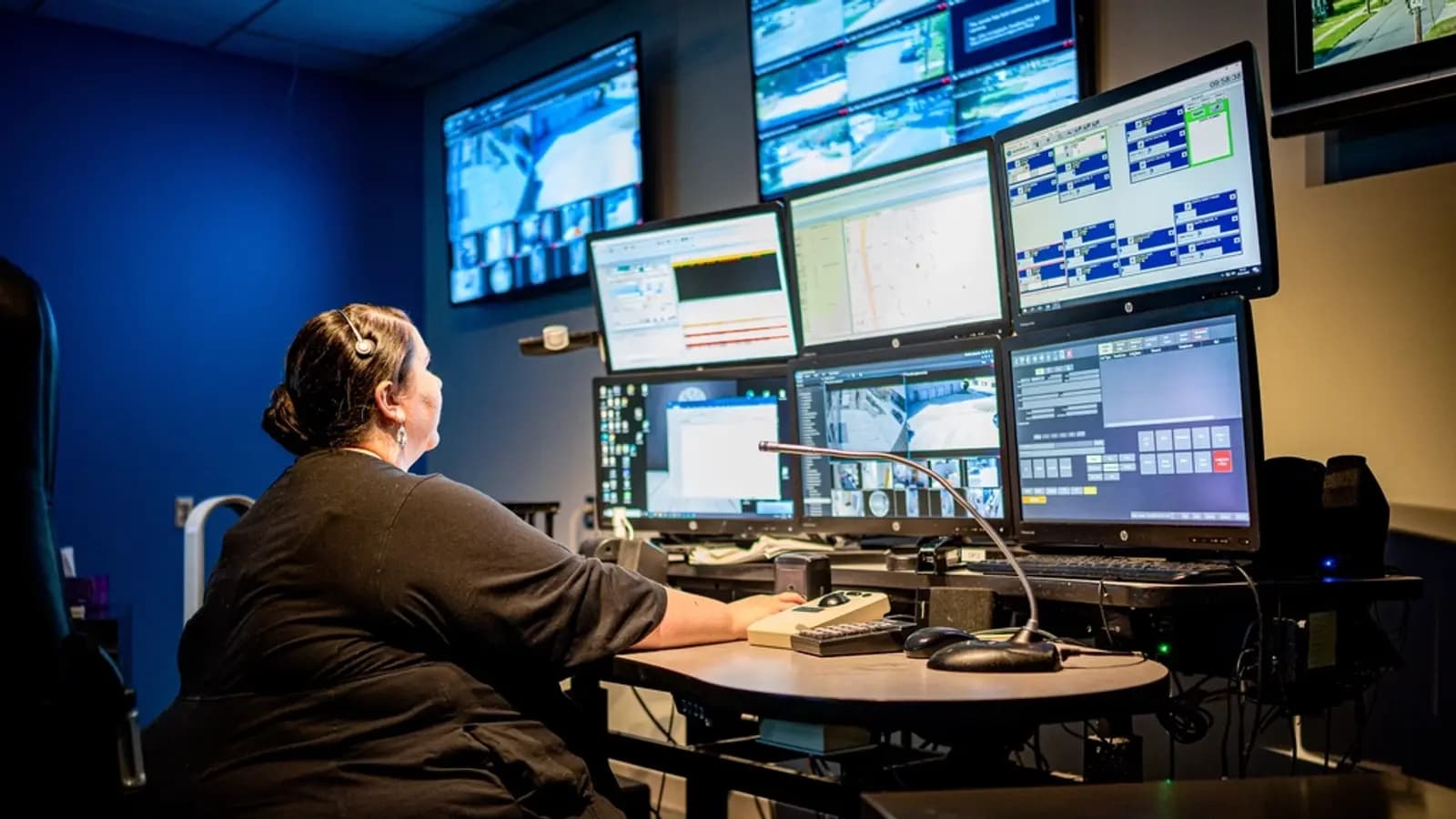
A verifier in call center work is the agent who confirms a sale or enrollment after the closer has taken it. They read each required statement to the customer on a recorded line, get a clear answer to every one, and confirm the customer's details. If any required answer is missing or wrong, the sale does not pass.
It sounds like a small job. It is not. The verification recording is the evidence a carrier, a buyer or a regulator asks for when a sale is questioned. A floor that verifies well keeps its money. A floor that verifies badly sees it come back weeks later as a chargeback.
If you are still placing the verifier against the other seats, our comparison of fronter, closer and verifier covers who does what. Here we stay with the verifier.
When verification happens on the call
On most US insurance and service campaigns, verification comes at the end. The closer finishes the sale, then conferences in or transfers to a verifier, and steps back. The verifier introduces themselves, explains that the call is recorded, and works through the verification script.
Some floors also verify earlier. Before a transfer, a verifier or senior agent re-confirms key details, such as age, state or coverage, so the closer only gets callers who truly qualify. This is often called pre-verification, and it is common where buyers reject transfers for missing details.
Whichever point you verify at, keep the verifier separate from the person who made the sale. A closer verifying their own sale has every reason to hurry past a hesitant answer.
The handover into verification also matters. The customer has just spent time with a closer and may be tired or ready to hang up. A short, friendly introduction that explains why this last step exists ("I'm just confirming the details so everything is correct") keeps most people on the line. A cold switch into a fast script loses them.
Recorded verification, statement by statement
The core of the job is the script. A verification script is a list of statements the customer must hear and agree to: what they are buying, what it costs them (if anything), when it starts, that they understand they are speaking to a licensed agent or a representative, that they agree to be contacted, and whatever else the carrier or campaign requires.
The verifier reads each statement as written. Not summarized, not paraphrased, not sped up. After each one, they wait for an explicit answer. A "yes" counts. A "hmm" or "I guess" does not, and the verifier asks again or fails that statement.
Every verification must be recorded from start to finish, and the recording must be easy to find later. Tie it to the lead ID and the customer's phone number so a QA analyst or a buyer can pull it in a minute, not an afternoon. Our call recording feature shows how recordings and transcripts sit against each call.
What the verifier captures
Besides the answers to the statements, the verifier captures and confirms the customer's details. The rule is to read each field back and let the customer correct it, rather than assuming the closer typed it right. A single wrong digit in a date of birth or ZIP code can fail a carrier check days later, long after anyone can call the customer back to fix it. Capture the details in fields, not in a free-text note, so they can be checked and passed on without retyping. What exactly you capture depends on the campaign, but the usual fields look like this:
- Full name, spelled back to the customer
- Date of birth
- Address, city, state and ZIP code
- Phone number and, where needed, email
- Campaign-specific details, such as Medicare enrollment status, household size, vehicle details or homeownership
- An explicit yes or no to each required statement
- The final result: passed or failed, with the reason for any failure
Common verifier errors that turn into chargebacks
Most verification failures are not dramatic. They are small habits that creep in over a long night. Here is the list I would give a new QA analyst to listen for.
- Reading too fast: the customer agrees to statements they did not follow, and later says they never understood.
- Paraphrasing the script: a shortened statement may no longer say what the carrier requires.
- Accepting a weak answer: "okay" or silence logged as a yes.
- Leading the customer: "You're fine with that, right?" in a tone that leaves no room to say no.
- Skipping a statement when the customer seems impatient.
- Typos in captured data: a wrong date of birth or ZIP code that fails a carrier check.
- Passing a verification that should fail, usually because the floor is pushing for numbers.
- Missing or broken recordings: the verification happened, but nobody can prove it.
Compliance and the verifier's role
The verifier is the floor's last line of compliance on a sale. If a customer says on the verification call that they did not ask to be called, or that they want to stop, that is not an objection to handle. It is a request to record and act on. If the customer asks not to be called again, the verifier should confirm it, end the call and make sure the number is marked do-not-call.
Verification also exposes problems earlier in the call. If customers keep sounding surprised at the verification stage, the closer may be overselling or the fronter may be transferring people who did not understand why they were called. A good QA process listens to verification recordings for those patterns, not just for the verifier's own mistakes. Scoring each call against the script, as our QA scoring does, makes those patterns easier to spot.
The verification script itself belongs to you and your buyer or carrier. Have it reviewed by the people responsible for compliance on the campaign, and do not let the floor edit it on the fly.
How to hire, train and check human verifiers
Hire verifiers for patience and precision, not sales energy. The best ones read clearly, are comfortable with a little silence while the customer thinks, and are willing to fail a sale when the answer is not there. Agents who were strong fronters do not always make good verifiers, because the instinct to keep a call moving works against the job.
Train them on the script line by line, then on the edge cases: a customer who asks a question in the middle of a statement, one who says yes but sounds unsure, one who asks to speak to the closer again, one who says they want to stop. Each of these needs a set response, written down and practiced.
Then check the work every day, not only when a chargeback lands. Pull a sample of verification recordings for each verifier, score them against the script and compare the captured data with what the customer actually said. Look hard at passes made late in the shift, because that is where reading speeds up and weak answers slip through. Pay verifiers on quality, never per pass, and give them clear backing from the floor manager when they fail a sale that should fail.
How a verifier bot does the job
Verification is one of the best seats to automate, because its whole value comes from saying the same thing the same way every time. A bot does not speed up at 3 a.m., does not paraphrase, and does not log a hesitant answer as a yes.
The B3 Voice verifier bot pitches and verifies on a recorded line, reads each required statement, and captures an explicit answer to each one. It captures the customer's details during the call and writes them straight into your CRM, then adds a clear summary to the ViciDial comments for your closers. A failed verification is marked failed instead of being quietly passed. Every call is recorded and transcribed, so the evidence is there when a carrier asks.
Your licensed closers still make the sale. The bot makes sure the proof of it is clean.