What AI outbound calling means on a transfer floor
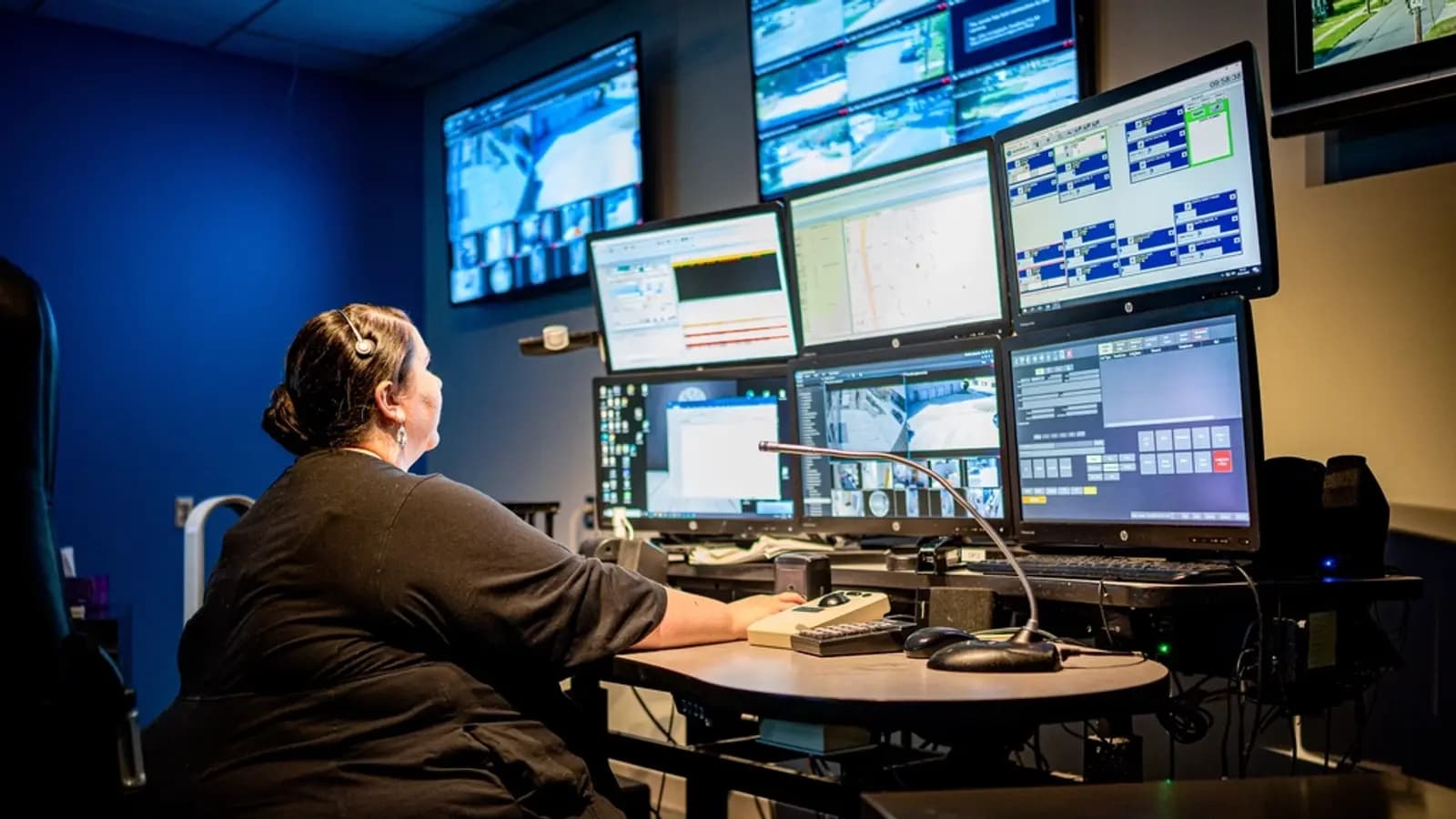
AI outbound calling, on a floor that sells transfers, means a bot does the fronter's job. It takes the call your dialer connects, deals with the voicemail, asks your qualifying questions and hands a live, qualified caller to your closer. It does not replace the dialer, the list, the carrier or the closer. It replaces the seat between them.
Most of what you read about AI calling describes a sales assistant booking meetings for a software company. That is not your floor. Your floor runs Medicare, final expense or solar on ViciDial or Convoso, from early evening to the small hours in Pakistan or India, and the number that matters at the end of the shift is billable transfers. So this post walks through one call, from dial to disposition, and then lists where it still goes wrong.
Step one: the dialer still dials
The bot does not pick numbers. Your dialer does, the same way it does for a human fronter. The bot logs in as an agent, or sits behind an agent extension, and receives whatever the dialer connects. Your hopper, your lead recycling rules, your calling hours and your caller ID all stay where they are.
This matters for two reasons. First, the things you have already tuned (list order, local presence, retry cadence) keep working. Second, the compliance controls you built into the dialer, like calling windows by state and your internal suppression list, still apply before the bot hears a single ring. If your scrubbing is weak today, a bot will not fix it. It will dial the bad numbers just as fast as your people did.
One bot holds one line. Twenty bots means twenty calls at once, which is the same arithmetic as twenty fronter seats. If you are planning capacity, read how one bot maps to one concurrent line before you decide how many to order.
The first few seconds: is anyone actually there?
On most US lists a large share of connects are voicemail. A human fronter hears the greeting, sighs and hits the disposition key. That costs ten or fifteen seconds and a little patience, multiplied across an entire shift.
A bot has to make the same decision, faster. Answering-machine detection decides whether the voice on the line is a person or a recorded greeting. Our bots read it from the live transcript as the greeting plays, end the call and tag it, so your dialer's retry rules decide what happens next. It is worth reading how the detection works before a pilot, because AMD is where most first-week complaints come from.
There are two misfires you will see. One is a real person who answers with a long, flat "Hello, this is Tom, who's calling?" that sounds like a greeting. The other is a voicemail that starts with a short "Hello?" and a pause, built to fool robocallers. No detection is perfect on both. What you want is a disposition report that lets you count each kind, so you can see whether misfires are a rounding error or a leak.
Qualification: one question, one answer, in your order
Once a person is on the line, the bot reads your opener and any disclosure your campaign requires, word for word, and then asks your qualifying questions in the order your closers expect. On Medicare that might be state, age, Part A and Part B. On solar it is homeownership, roof and the electric bill. On auto, current carrier, policy expiry and the number of vehicles.
A good bot listens to the answer instead of waiting for a keyword. If the caller says "Yeah, I've had Medicare since I turned 65, both parts," it should not then ask whether they have Part B. If they ask "Who is this?" halfway through, it should answer and come back to the question it was on. If they interrupt, it should stop talking. That last one sounds small. It is the difference between a phone call and a robocall.
Knock-out answers end the call politely, with a disposition that names the question that failed. That detail pays off later, because it tells you whether the list is bad or your thresholds are.
The warm transfer: what your closer hears
This is the part closers care about. When the caller qualifies, the bot dials your transfer queue while the caller is still on the line. It waits for a human to pick up, tells the closer who the caller is and what they qualified on, then drops off. The closer never opens on a stranger and the caller never sits in silence.
If no closer picks up, the bot should not leave the caller ringing in a queue. It should offer a callback, confirm the time and write it into the dialer. A transfer that dies in the queue is worse than no transfer, because you paid for the qualification and then lost it. The difference between a warm and a cold transfer shows up right here, in the minute after the bot says "please hold."
Dispositions go back to the dialer, for every call
Every call needs a code, not only the transfers. Voicemail, not interested, DNC request, disqualified on age, disqualified on state, callback, transferred. The bot should write those codes into your dialer using the disposition set you already have, so your reports, your payroll views and your client's lead counts keep working without anyone rebuilding them.
A bot that only reports its transfers cannot be judged. The ninety percent of calls that did not transfer tell you whether the list is any good, whether AMD is misfiring and whether one question is killing calls that should have passed. Ask any vendor for a full disposition breakdown from a pilot, not just a transfer count.
Do-not-call requests deserve their own line. When a caller says "take me off your list," that is a request, not an objection. The bot should confirm it, end the call and mark the number so your dialer can suppress it. Registry scrubbing still happens before the dial, on your side.
Where AI outbound calling still fails
It is far better than it was a few years ago. It is not finished. These are the failures we see most often on real floors, and a nicer voice solves none of them.
- AMD misfires on short greetings and on people who answer slowly, which shows up as hang-ups on live humans
- Speakerphones, car calls and noisy kitchens that make the caller hard to transcribe, so the bot asks them to repeat once too often
- Older callers who pause for a long time before answering, which a bot can read as silence
- Callers who want a long chat, when a fronting bot is built to qualify and hand over
- An empty closer queue at 3 a.m. PKT, which no bot can fix, only manage with callbacks
- Stale lists, which a bot dials exactly as fast as a human does, so contact rate stays your problem
- Scripts that only work because a person quietly improvises around the gaps
A go-live checklist before your first shift
The last failure on that list is the most common. If your best fronter skips a question that confuses callers, the bot will not. Fix the script first, then walk through this list with your floor manager and one closer in the room. If you cannot tick a line, that is the thing to fix before you dial.
B3 Voice fronter bots run on ViciDial, Convoso or your own SIP trunk, on your caller ID and your carrier. You approve the flow on a test call before it touches your list, and every call is recorded and transcribed. If you want to run this checklist against your own campaign, the 7-day free trial is the easiest way to do it.
- The bot logs into the dialer as an agent and receives connects from the right campaign and list
- Calling windows and your suppression list are enforced by the dialer before the bot is involved
- The disclosure is read word for word, and your compliance counsel has approved the wording
- Every knock-out question and its failing answers are written down
- The transfer goes to the right queue, and the closer hears who is calling and why
- There is a rule for an empty queue: hold, retry or callback
- Every outcome, including voicemail and DNC, has a disposition code in your dialer
- You have listened to at least twenty recorded calls, including the ones that did not transfer
- Someone owns the AMD numbers for the first week and checks them every morning