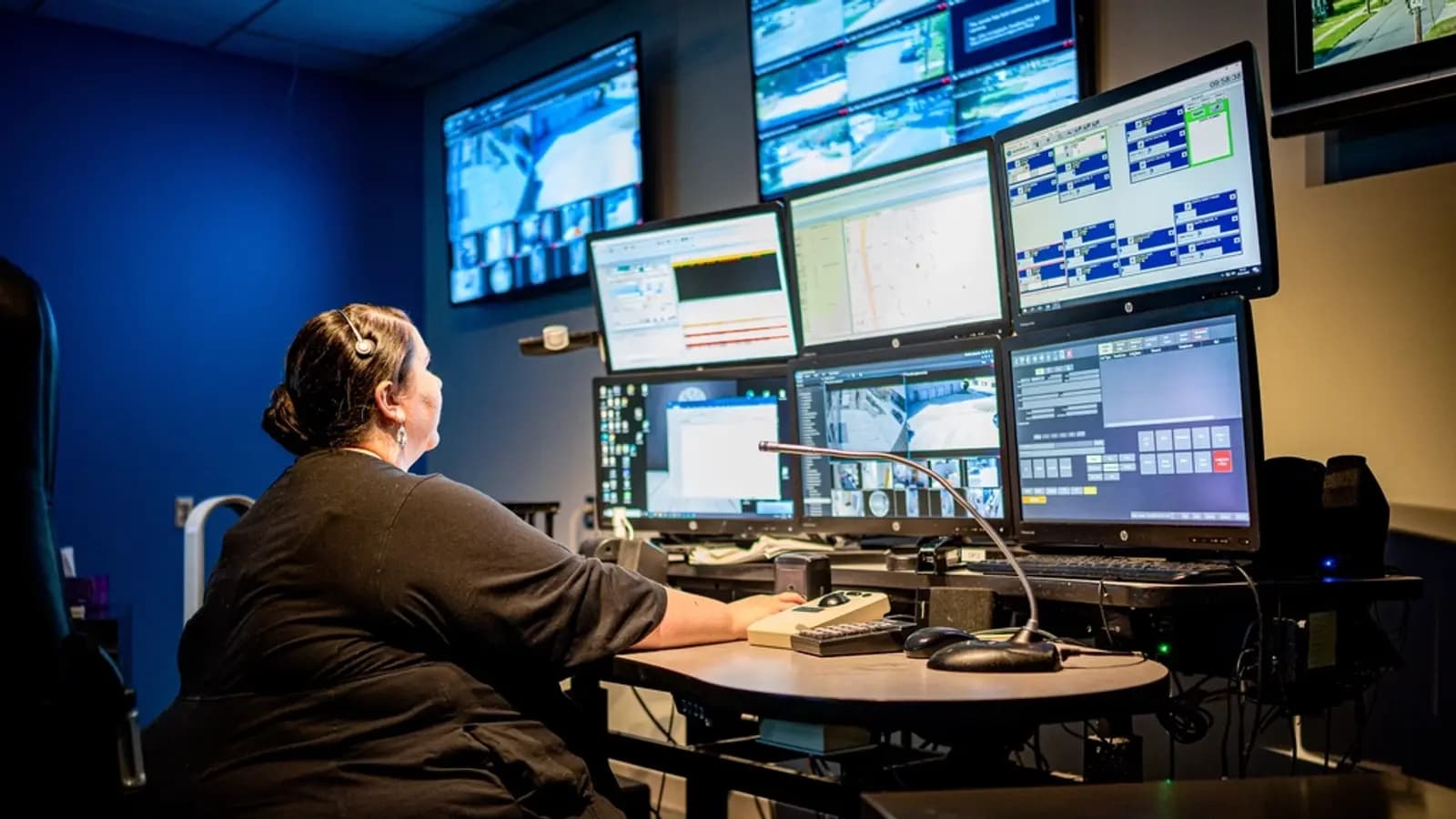
What an outbound call center does
An outbound call center places calls to people instead of waiting for calls to come in. In Pakistan and India, most outbound call center floors working US campaigns do one of two things: they produce transfers for a buyer, usually a licensed agency that closes the sale, or they sell and verify a product themselves for a client. Either way the work runs through the same chain: data, dialer, fronter, closer, verifier, QA and payout.
If you are new to the business, this is the map. If you already run a floor, treat it as a checklist of the hand-offs where money usually leaks.
One thing to settle before any of it: the contract. Whether you call it an insertion order, a service agreement or a WhatsApp message with the terms, it defines what you are paid for, which states and hours the buyer takes, and how returns work. Every step below is shaped by it, so get it in writing and make sure your team leads have read the parts that affect the floor.
Step 1: data
Every call starts with a record. Floors get data in three ways: the buyer or client supplies it, the floor buys it from a data vendor (opt-in web leads, aged leads or reply-card data), or, less often at the small end, the floor generates it through its own ads. Before anything is dialed, the data should be scrubbed against the National DNC Registry, your internal suppression list and any litigator list you subscribe to. That process is covered in what happens before the dial.
Data quality sets the ceiling for everything after it. A strong floor on weak data still makes weak numbers, and no amount of coaching fixes a list where half the numbers are disconnected.
Ask every data vendor the same questions: where the records came from, how old they are, whether consent was captured and how you can see it, and how many other floors bought the same file. The answers will not always be honest, so test small batches first and compare contact rates against data you already trust.
Step 2: the dialer and the shift
Scrubbed data is loaded into lists on the dialer, usually ViciDial, sometimes Convoso or another hosted platform. A campaign ties lists to a script, a set of dispositions, a dial mode and calling hours. The dialer places the calls, filters answering machines and connects live answers to whoever is free.
Calling hours drive the shift. US telemarketing calls are generally limited to between 8am and 9pm in the called person's local time; confirm the current rules, including any state rules, with counsel. During US daylight saving time, 9am to 9pm Eastern is 6pm to 6am PKT, or 6:30pm to 6:30am IST, and in winter everything moves an hour later. Most floors run a shift of roughly 7pm to 4am PKT, working East and Central numbers first and finishing on Pacific. A typical night looks like this:
- 6:30pm PKT: briefing. Team leads post the night's campaigns, the buyer's caps and hours, and any script changes on the floor group.
- 7pm: dialing starts on East Coast numbers. The first two hours are usually the strongest for contact rates.
- 9pm to midnight: peak. Central time zones join, closer queues are fully staffed, and most of the night's transfers happen here.
- Around midnight: meal break, staggered so the floor never empties. Watch the closer queue; some buyers' agents take breaks at the same time.
- 1am to 3am: the tail. East Coast closers log off, Pacific numbers take over, and holds get longer. Transfer quality drops here first.
- 3am to 4am: wrap-up. Callbacks set, dispositions checked, the nightly report pulled and sent before the morning shift sees it.
Step 3: fronters, closers and verifiers
The people on the floor split into roles. The names change by campaign, but the shape is the same. A longer comparison is in fronter vs closer vs verifier.
- Fronter: takes the connected call, reads the opening and disclosure, asks the qualifying questions and warm-transfers qualified callers. Judged on transfers per hour and on how many of them stick.
- Closer: takes the transfer and sells. On insurance campaigns the closer is a licensed agent, often in the US at the buyer's agency. On some campaigns, such as solar appointments or debt relief, the closer may sit on the same floor.
- Verifier: after a sale, confirms the details on a recorded line, such as name, date of birth, beneficiary, payment date and consent statements. Verification protects the sale against chargebacks and carrier audits.
- Team lead and floor manager: watch the real-time report, move agents between campaigns, barge in on calls, and handle the closers' complaints when transfers go bad.
Step 4: QA
On a transfer floor, the fronter is the role you have most of and the one with the highest turnover. A fronter who has read the same opening four hundred times in a night does not sound the way they did on call ten, which is one reason transfer rates fall late in the shift. QA is how you catch that before the buyer does.
QA listens to calls and scores them against a sheet: disclosure read in full, each qualifying question asked, no promises the product cannot keep, correct disposition, clean handoff. Most floors sample a handful of calls per agent per shift. Buyers run their own QA on the transfers they receive, and their findings decide what gets paid.
QA also protects the floor in disputes. When a buyer returns a batch of transfers, the QA notes on those calls are your first evidence, so record the call ID and the timestamp of any issue rather than a vague comment like "weak pitch". Good QA feeds back the same night. If a team lead finds a fronter skipping the tobacco question, the fronter should hear about it before the next break, not in a weekly meeting. How scores are calculated is in the QA score glossary entry.
Step 5: payouts and chargebacks
Money flows back up the chain in a few patterns:
- Per billable transfer: the buyer pays for each transfer that met the contract's duration and criteria. Returns are deducted.
- Per sale or per policy: the floor is paid when a sale closes, sometimes only once a policy is issued.
- Per hour or per seat: the client pays for agent time. Common in BPO contracts, less common on transfer campaigns.
- Chargebacks: if a policy lapses inside the carrier's window, the commission comes back. Floors paid per sale feel it directly; transfer sellers feel it through lost volume.
Where an outbound call center loses money
Payment usually follows a weekly or fortnightly reconciliation of the buyer's numbers against yours, and that reconciliation is where disputes surface. Keep recordings and dispositions that match. Inside the floor, fronters are typically paid a base salary plus an incentive per billable transfer, so your agents care about the buyer's definition of billable as much as you do. Pay that incentive only on billable transfers, never on raw transfers, or you will be paying fronters to send the calls that get returned. The usual leaks:
- Bad or recycled data that burns dials without reaching people
- Live humans hung up on because AMD is mistuned, or machines passed to fronters
- Cold transfers that get returned
- Fronters skipping questions late in the shift
- Wrong dispositions, so your reports and the buyer's never agree
- Closer queues empty for part of the night while fronters keep transferring
Where bots fit on an outbound floor
Each leak above is measurable; KPIs for a transfer floor explains how. Bots take a seat in this chain rather than adding a step. A B3 Voice fronter bot reads the disclosure and qualifying questions, warm-transfers to your closer and writes the disposition back to ViciDial. A verifier bot confirms details on a recorded line and writes them into your CRM and the ViciDial comments. Every bot call is recorded and transcribed, so QA can cover all of them rather than a sample. The rest of the chain stays as it is: your data, your dialer, your closers, your buyer and your payout terms. Floors in Pakistan can see how this fits locally on our Pakistan page.